
A farmer plants crops.
The leaves become yellow.
Growth becomes weak.
The immediate reaction is usually:
“Add fertilizer.”
And for a short time, the crops may improve.
The leaves become greener.
Growth speeds up.
The farm looks healthier.
But after some time, the same problems often return again.
More fertilizer is added.
More money is spent.
The soil becomes harder.
Water disappears faster.
The crops become increasingly dependent.
This cycle is extremely common.
Because many farmers are trying to feed crops without first building healthy soil.
And that is one of the biggest long-term mistakes in farming.
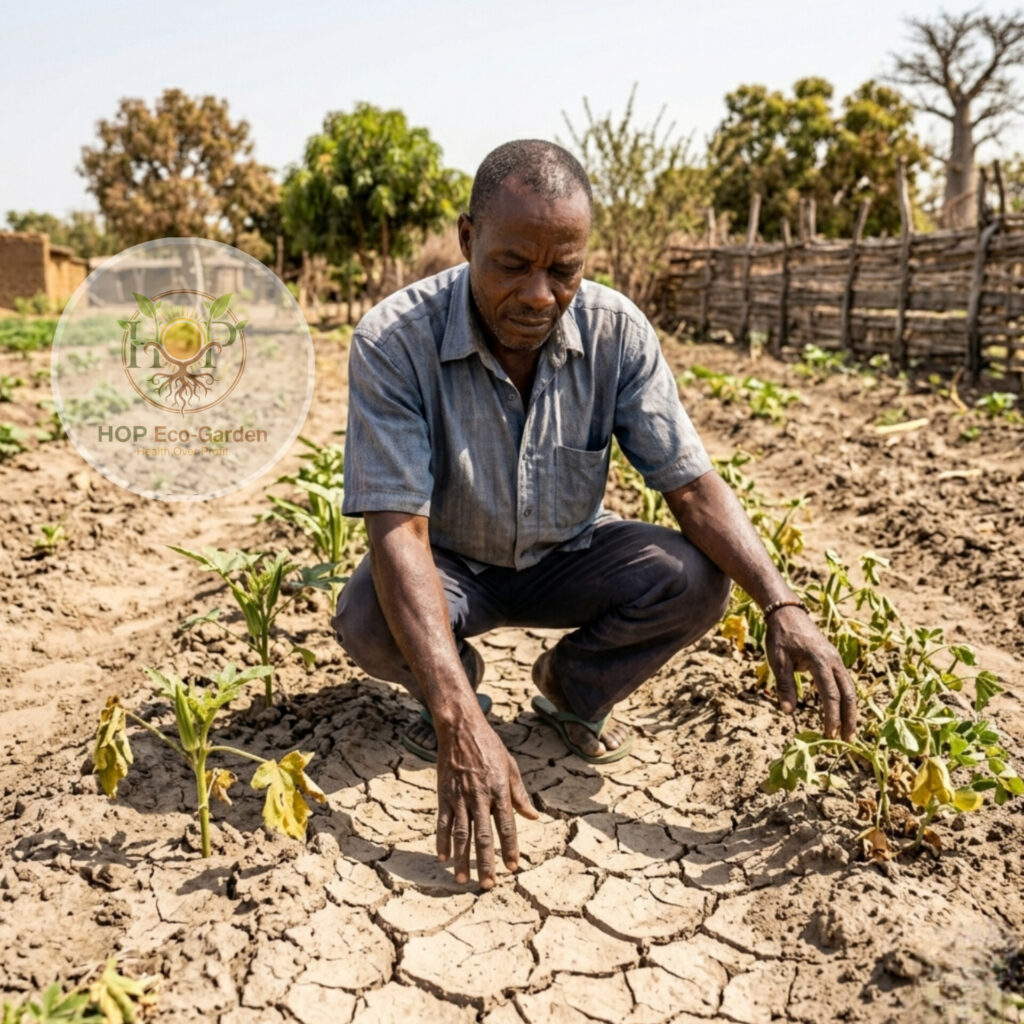
Soil Is Not Just Dirt
One of the biggest misunderstandings in farming is treating soil like an empty surface where crops simply grow.
Healthy soil is actually a living system.
Good soil contains:
- microorganisms
- organic matter
- air spaces
- moisture retention capacity
- biological activity
Healthy soil supports crops naturally.
Weak soil struggles to support life properly.
This difference changes everything.
The Difference Between Feeding Crops and Feeding Soil
This is one of the most important lessons in sustainable farming.
Feeding Crops
When farmers focus only on crops:
- short-term growth becomes the priority
- fertilizer becomes the main solution
- deeper soil problems remain ignored
The crop may improve temporarily, but the system underneath remains weak.
Feeding Soil
When farmers improve soil health:
- soil structure improves
- water retention improves
- root systems become stronger
- crops become more resilient naturally
Healthy soil supports healthier plants over time.
That is long-term thinking.
Why Healthy Soil Matters So Much in Warm Climates
In places like The Gambia, climate conditions make soil health even more important.
Warm temperatures can:
- dry soil quickly
- reduce moisture faster
- increase stress on crops
- break down organic matter rapidly
Without healthy soil:
- water disappears quickly
- roots struggle
- crops weaken faster during heat
Healthy soil acts like protection.
It helps:
- retain moisture longer
- support roots better
- reduce environmental stress
This becomes extremely important during hot periods.
The Hidden Problem With Depending Only on Chemical Fertilizer
This is not about attacking fertilizer blindly.
The real issue is dependency without improving soil itself.
Many farmers repeatedly apply fertilizer while:
- soil structure worsens
- organic matter decreases
- moisture retention weakens
- biological activity declines
Over time:
- more fertilizer is often needed
- costs increase
- resilience decreases
The system becomes weaker underneath.
A Common Real-Life Scenario
Imagine two farmers growing vegetables.
Farmer A
Uses fertilizer repeatedly every season but ignores soil condition.
Problems continue:
- soil dries quickly
- crops become stressed easily
- water demand increases
- costs continue rising
Farmer B
Focuses on improving soil gradually through:
- compost
- mulch
- organic matter
- careful watering
- soil protection
The improvements may start slower.
But over time:
- moisture retention improves
- crops become more stable
- soil becomes easier to manage
- dependency reduces gradually
Farmer B is building a stronger system.
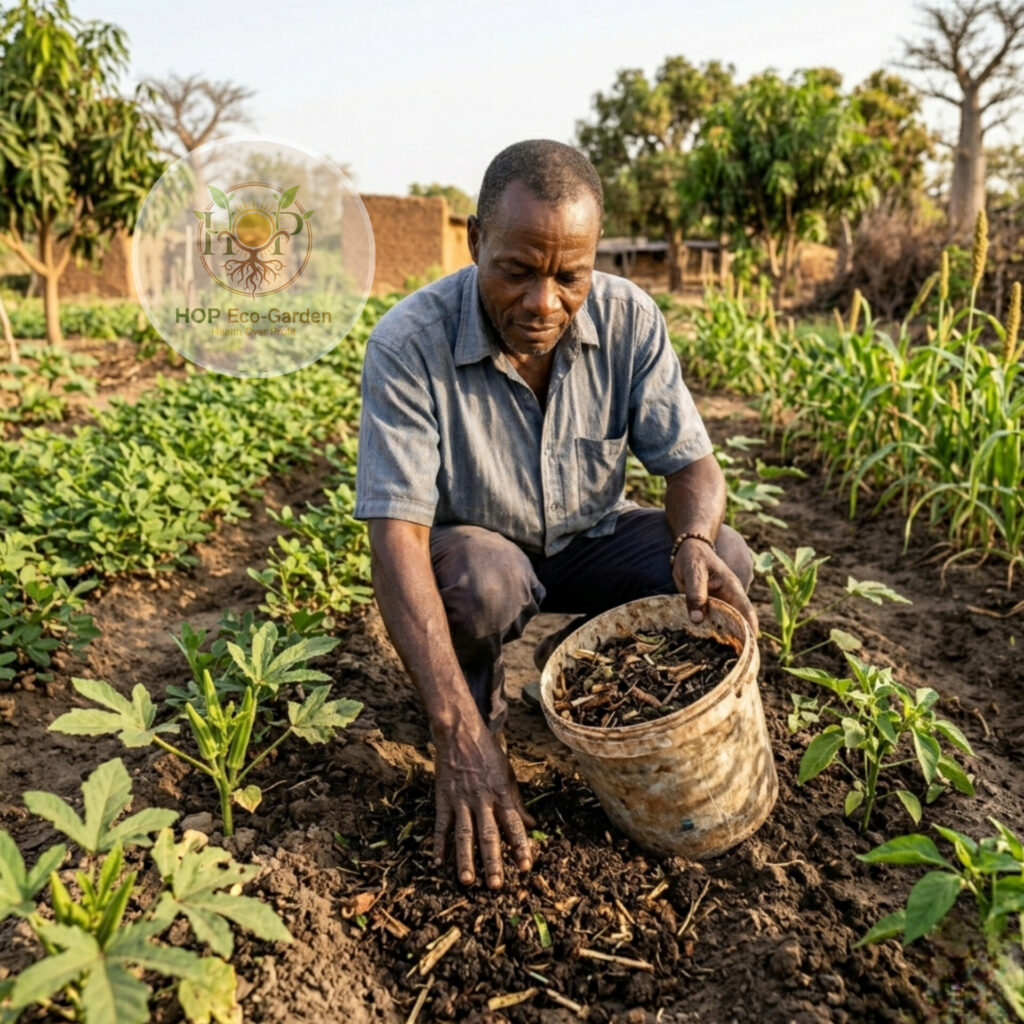
Healthy Soil Helps Water Stay Longer
One major advantage of healthy soil is water retention.
This matters greatly in warm climates.
Weak soil often:
- becomes hard
- cracks easily
- loses water quickly
Healthy soil with organic matter acts differently.
It can:
- hold moisture longer
- reduce water stress
- support root growth
- improve consistency
This can reduce pressure during dry conditions.
Organic Matter Changes Everything
Organic matter is one of the most valuable resources on a farm.
Examples include:
- compost
- dried leaves
- crop residues
- animal manure (properly managed)
- plant material
Organic matter helps improve:
- soil structure
- microbial activity
- moisture retention
- long-term fertility
Removing all organic material from the farm often weakens the system over time.
Healthy Soil Creates Stronger Roots
Strong roots are extremely important.
Roots help plants:
- absorb nutrients
- access water
- remain stable
- tolerate stress
Compacted or unhealthy soil limits root development.
Healthy soil allows roots to spread more naturally and efficiently.
This often leads to stronger crops overall.
Common Mistakes Farmers Make With Soil
Many farmers unknowingly damage soil health.
These mistakes are very common.
Mistake 1 — Leaving Soil Bare Under Harsh Sun
Exposed soil loses moisture quickly.
Strong sunlight can:
- dry soil rapidly
- reduce biological activity
- weaken structure
Mulching and soil cover help reduce this problem.
Mistake 2 — Depending Only on Fertilizer
Fertilizer alone does not automatically create healthy soil.
Without improving soil structure:
- dependency often increases
- resilience decreases
Mistake 3 — Removing Organic Matter Completely
Some farmers remove:
- leaves
- residues
- plant material
without returning anything to the soil.
Over time, soil becomes weaker and less productive.
Mistake 4 — Overwatering Weak Soil
Poor soil structure combined with excessive watering can:
- weaken roots
- reduce oxygen
- stress crops
Balance matters.
Mistake 5 — Ignoring Soil Observation
Healthy farming requires observation.
Farmers should notice:
- moisture behavior
- soil texture
- root development
- crop response
The soil itself gives important signals.
Practical Ways to Improve Soil Health
Healthy soil improvement does not require perfection.
Small consistent actions matter.
Step 1 — Add Organic Matter Regularly
This is one of the best long-term improvements.
Examples:
- compost
- plant residues
- mulch
- natural organic materials
Consistency matters more than quantity alone.
Step 2 — Protect Soil From Harsh Heat
Use:
- mulch
- ground cover
- crop spacing strategies
This helps:
- reduce moisture loss
- protect biological activity
- stabilize soil temperature
Step 3 — Reduce Unnecessary Disturbance
Constant aggressive disturbance can weaken soil structure.
Gentle management often helps preserve stability.
Step 4 — Improve Water Management
Healthy watering habits matter.
Avoid:
- flooding soil unnecessarily
- watering randomly
- excessive watering
Observation improves efficiency.
Step 5 — Build Soil Gradually
Soil health is long-term work.
Do not expect instant transformation.
Strong systems are built season after season.
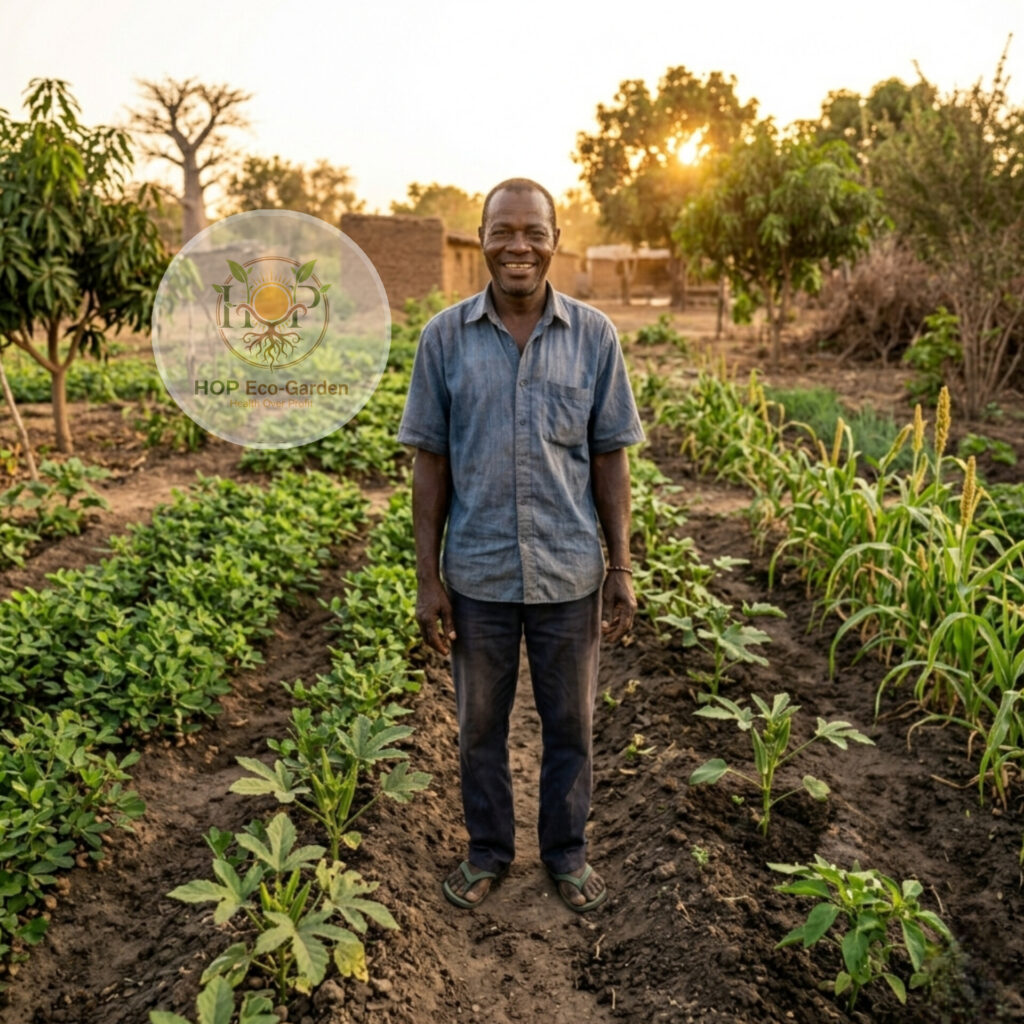
Healthy Soil Supports Long-Term Sustainability
One of the biggest mistakes in modern farming is focusing only on immediate growth.
But sustainable farming depends on stronger foundations.
Healthy soil helps support:
- water management
- crop resilience
- biological activity
- long-term productivity
Without healthy soil, farming becomes increasingly difficult over time.
Why This Matters for Future Generations
Soil degradation does not only affect current harvests.
It affects future farming ability.
When soil becomes weaker year after year:
- farming becomes harder
- dependency increases
- resilience decreases
Healthy soil protects future opportunities.
That is why long-term thinking matters.
Sustainable Farming Starts Below the Surface
Many people focus only on what happens above the ground:
- leaves
- fruits
- harvests
But real sustainability often begins below the surface.
Healthy soil is one of the most valuable assets a farmer can build.
Not instantly.
Not through shortcuts.
But gradually through:
- observation
- care
- organic matter
- patience
- consistency
Conclusion: Strong Crops Begin With Strong Soil
One of the most important lessons in organic farming is this:
Healthy soil creates healthier systems.
Quick growth may look impressive temporarily.
But long-term sustainability depends on what is happening underneath.
When farmers focus only on chemical fertilizer while ignoring soil health:
- dependency grows
- costs increase
- resilience weakens
But when farmers improve soil gradually:
- crops become stronger
- water management improves
- stability increases
- sustainability becomes more realistic
Healthy soil is not just about this season.
It is about protecting the future of farming itself.
Because in the end, the true foundation of every healthy harvest is not fertilizer.
It is the soil.